
Technical articles and case studies
Walkie-talkie, two-way radio or HT? Common radio terms explained
Explains the differences between walkie-talkie, two-way radio and handheld transceiver (HT), along with pronunciation, example usage and common radio procedure words such as Over, Copy and Roger.
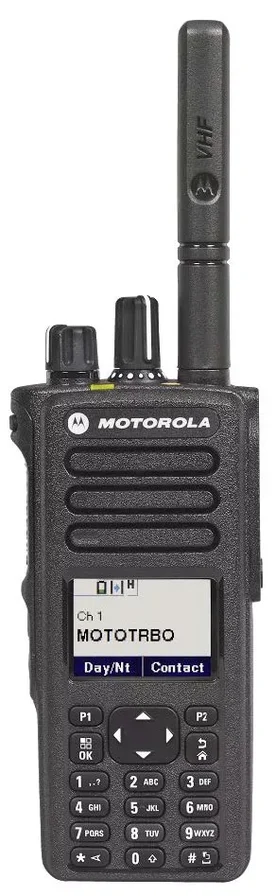
Two-way radios are widely used for instant short-range communication in team operations, security and outdoor activities. Depending on the setting, you will encounter three common English names for the device—plus several standard voice-procedure phrases.
1. Everyday term: Walkie-Talkie
Walkie-Talkie is the most widely recognised everyday name for a handheld radio. It combines two descriptive words:
- Walkie: from "walk", referring to portability on the move
- Talkie: from "talk", referring to voice conversation
Together, walkie-talkie describes a portable device you can talk on while walking, making it universally understood in casual conversation and consumer product descriptions.
Pronunciation: /ˈwɔːki ˈtɔːki/
Example:
- I bought a pair of walkie-talkies for our camping trip.
2. Professional and formal term: Two-Way Radio
In commercial, industrial and technical contexts, two-way radio is the standard term. It reflects the device's core capability to both transmit and receive radio signals.
Every walkie-talkie is a two-way radio, though two-way radio also encompasses vehicle-mounted mobile radios, base stations and repeaters. It is the preferred term when specifying equipment, reading technical manuals or working with communications professionals.
Example:
- This is a professional-grade two-way radio with a 5-mile range.
3. Technical and amateur-radio term: Handheld Transceiver (HT)
Among amateur (HAM) radio operators and RF technicians, handheld units are often called handheld transceivers, abbreviated HT:
- Handheld: portable, held in the hand
- Transceiver: a blend of transmitter and receiver
Example:
- Many HAM radio operators carry a handheld transceiver, or HT.
4. Common radio procedure words
Standard voice-procedure terms keep radio exchanges clear and unambiguous:
- Over: I have finished speaking and expect a reply.
- Copy / Copy that: Message received and understood.
- Roger / Roger that: Message received and acknowledged.
- Over and Out: Colloquial sign-off indicating the conversation has ended (formal radio procedure uses Out alone).
- Stand by: Wait briefly before I reply.
- Say again: Please repeat your last transmission.
Quick reference
- Everyday / consumer: Walkie-Talkie
- Professional / technical documentation: Two-Way Radio
- Amateur radio / RF specialists: Handheld Transceiver (HT)